
Basement insulation in San Angelo TX - foundation walls that stay dry and warm
Cold floors downstairs, a musty smell, a wall that sweats? We deal with the water first, then insulate with foam that stays dry.
- Licensed and fully insured.
- Free in-person estimates.
- Replies within 1 business day.
What's the right way to insulate basement walls?
Basement insulation in San Angelo means putting a layer of rigid foam board or closed-cell spray foam on the foundation walls, so the space below stays warmer and the walls don't hold moisture behind the insulation.
Most people call me because the floor's cold, the room downstairs never feels right, or the power bill keeps climbing. The price moves with how much wall there is, which foam goes on it, whether a wall needs a water repair first and whether old material has to come off, which we handle as insulation removal. The schedule turns mostly on that water repair and on any permit the city calls for, and I'll give you your own number at the estimate.
How we do basement insulation
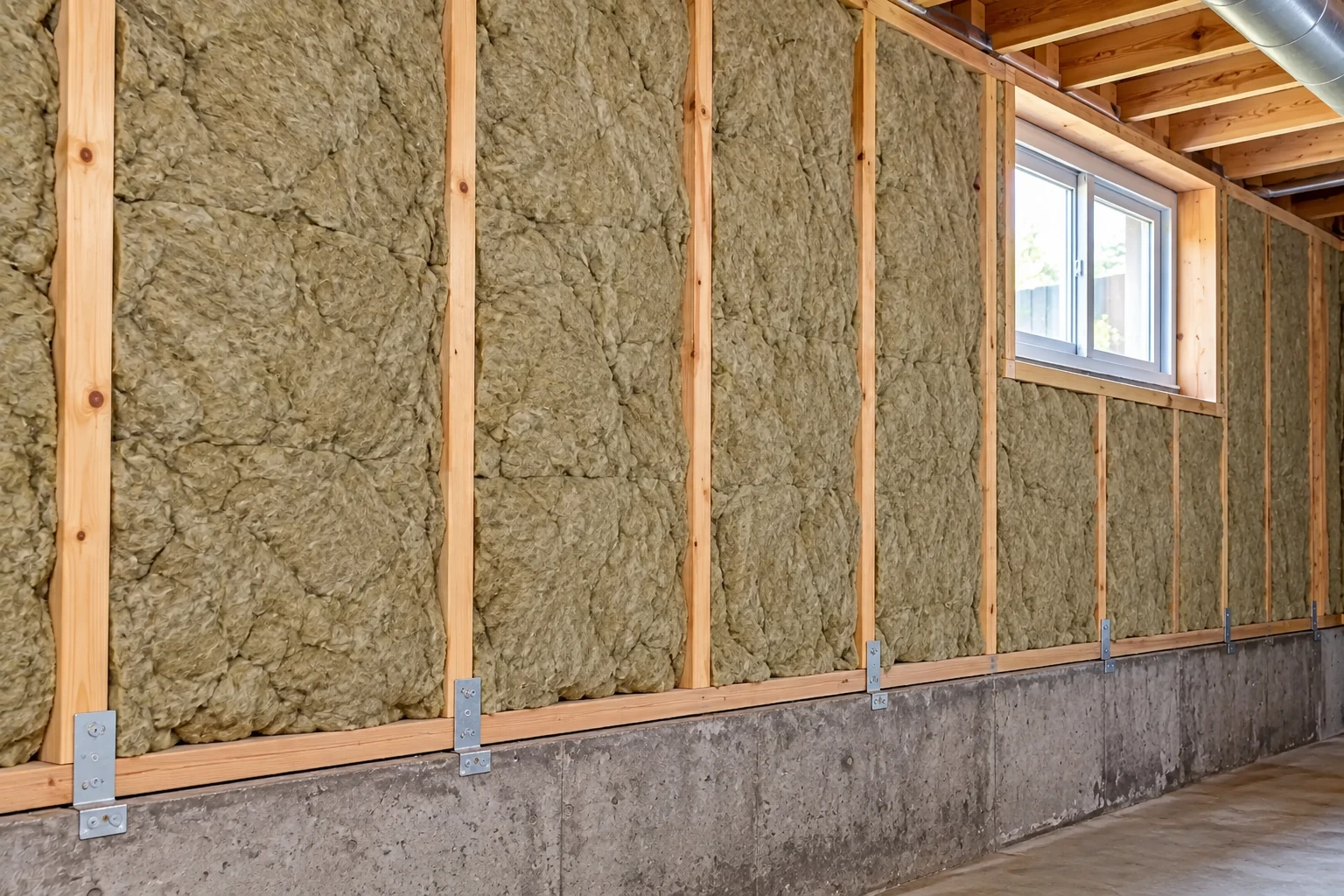
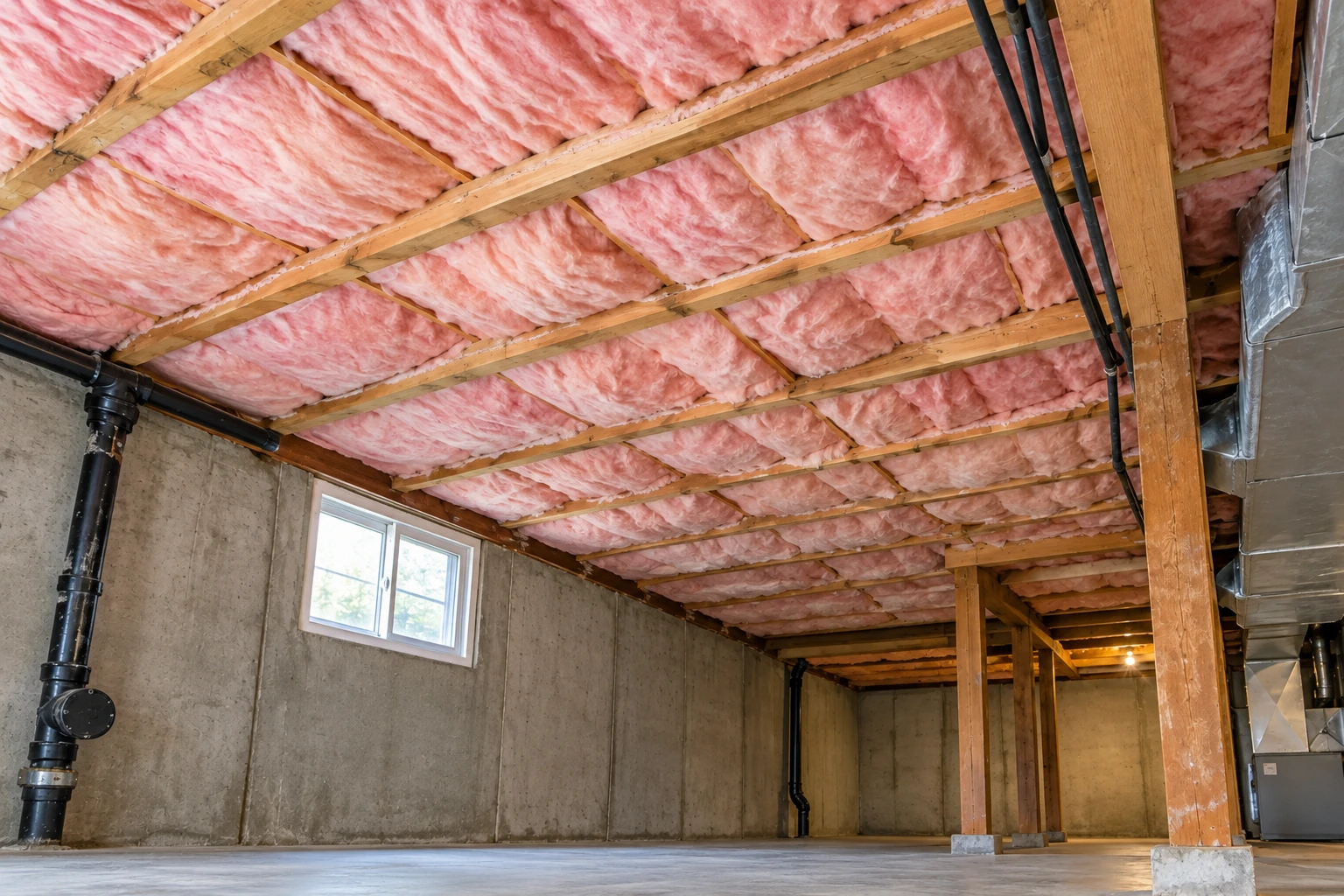
I start at the walls, looking for where water's getting in, because insulation over a leak just hides it until it turns into mold or rot. If a wall is letting water in, that gets fixed before any insulation goes up, and water should be steered away from the foundation on the outside too. Then our crew air seals the wall, which means closing the gaps around pipes, wires and other openings, so the foam isn't fighting a draft. Against concrete we stick with foam that won't soak up moisture, and we fasten it tight to the wall with no gaps behind it, since a gap back there is where damp air collects against the cold concrete.
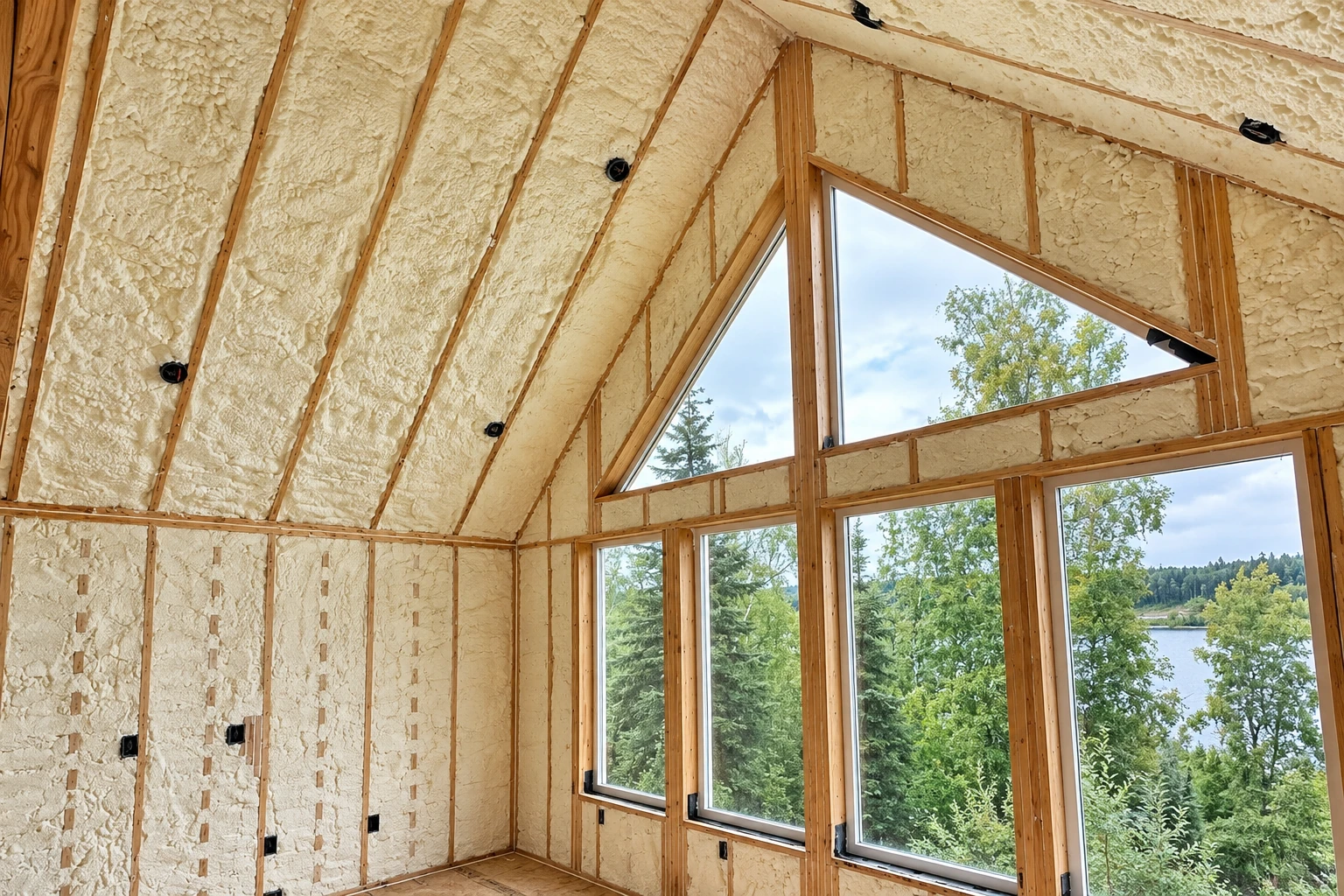
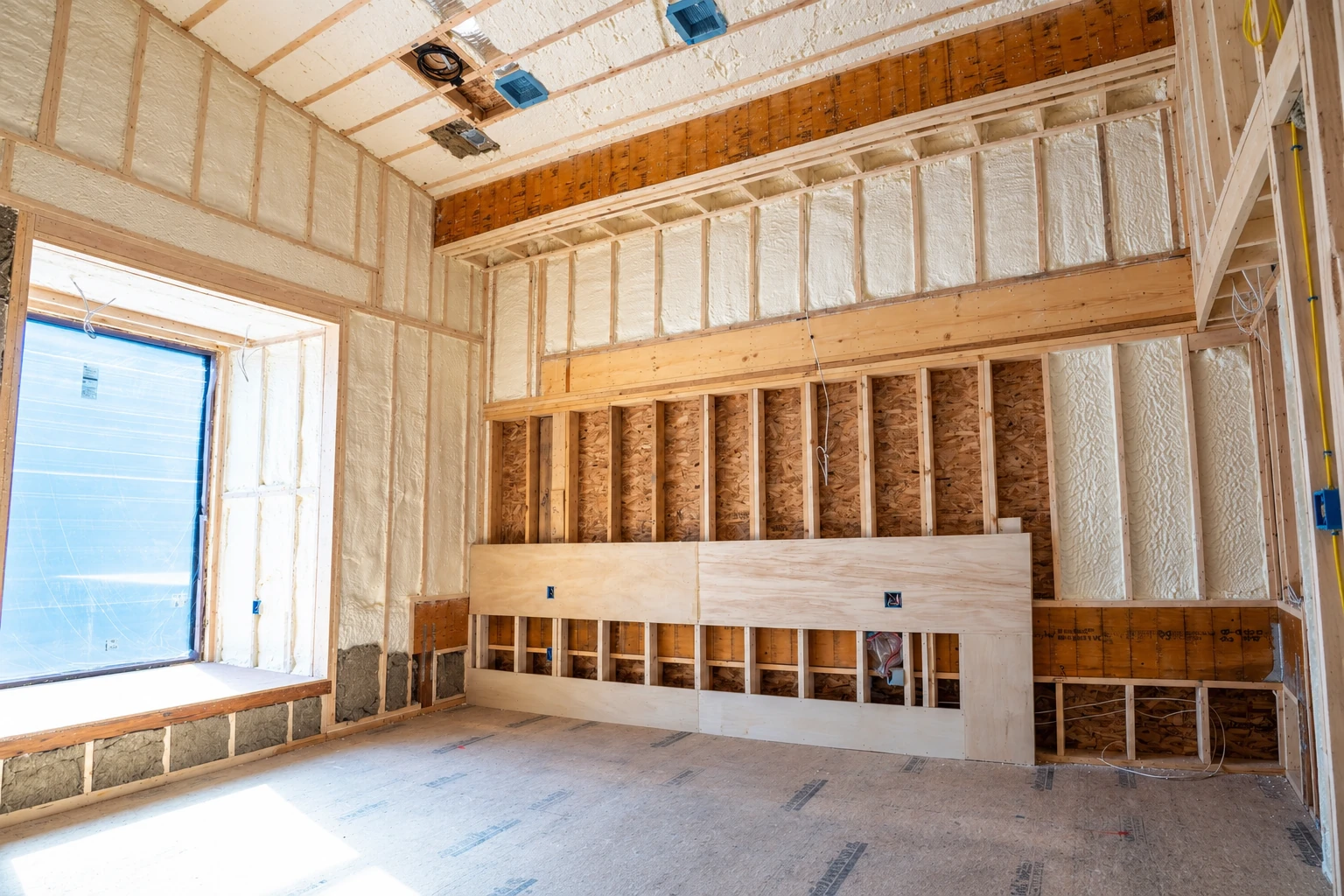
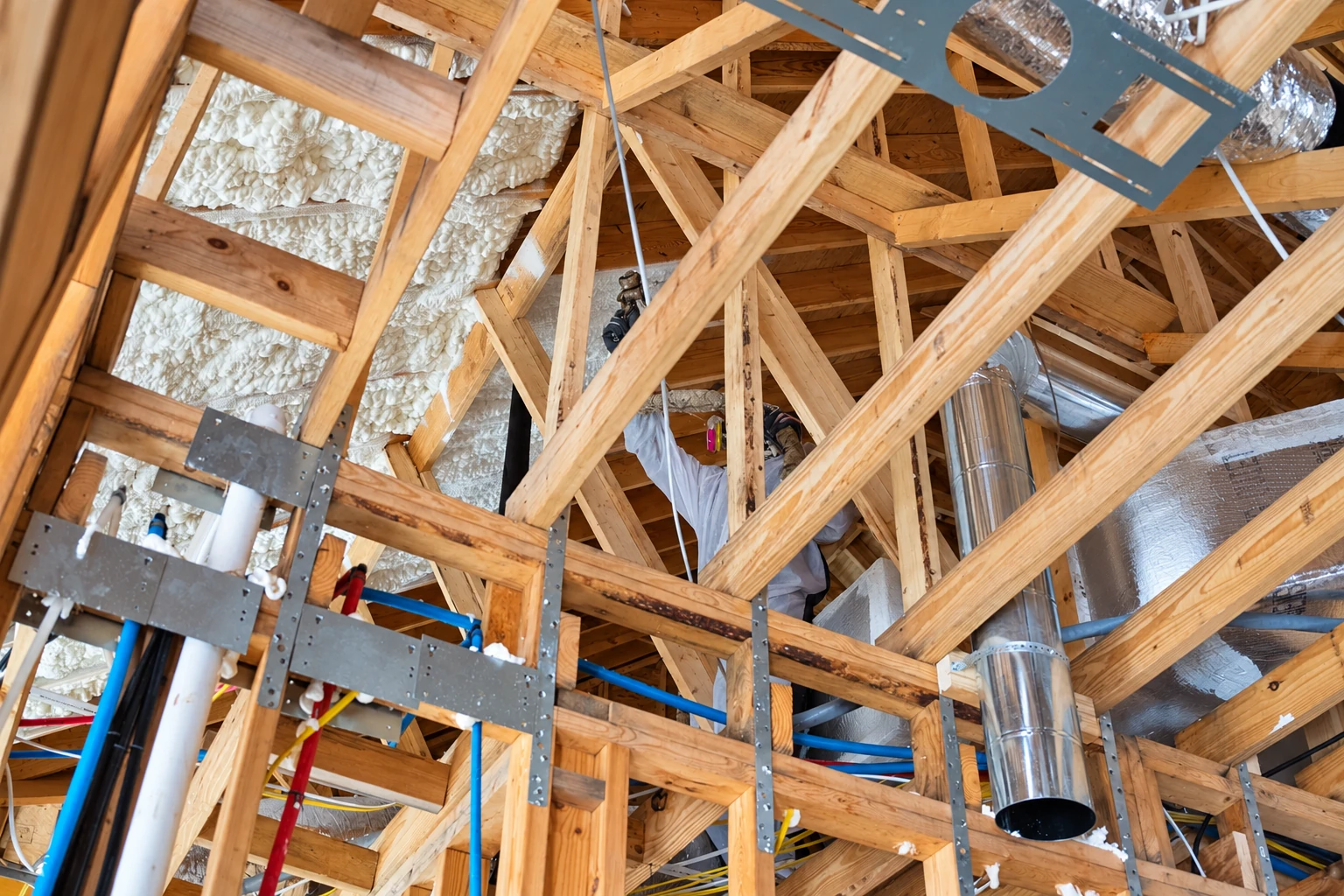
On most basement walls we spray closed-cell foam insulation, a dense foam that blocks moisture and seals air in the same coat. Open-cell foam insulation is softer and lighter, so I keep it off bare concrete and use it on framed walls and rooflines elsewhere in the house.
Closed-cell spray foam
This suits walls that are rough, uneven or crowded with pipes and wires, because it sprays into every bump and sticks with nothing behind it. It costs more than board, and on most basement walls I think it's worth it because it seals and insulates at once.
Rigid foam board
This suits flat, even walls and a tighter budget, since the panels go up cleanly and hold out moisture well. It only works when every panel is stuck fully to the concrete and every edge and seam is sealed tight, so that's where our crew spends its time.
Basement insulation permits and code in San Angelo
The city's Building Permits & Inspections office handles permits for work on houses, and the city has adopted the energy code and enforces it here, so the city is who decides what a basement insulation job like yours calls for. Its residential permit checklist includes energy code forms alongside the application, which means a job like this can come with more paperwork than people expect. We check with that office on every job and take care of any permit it asks for, so you're not the one chasing it.
The basement calls we get in San Angelo and the cities around it usually start with a cold floor or a damp smell, and once the old wall covering comes back, the trouble is often water and not missing insulation. That's why the estimate starts at the walls and not at the price.
Why San Angelo homeowners call J&M San Angelo Insulation Services for basement insulation
I write every estimate myself
We're based in San Angelo, and I'm the one who comes out to look at your walls and write the estimate. Our own crew does the install, so the person who told you what's wrong is the one answering for the work.
In business since 2013
I learned insulation from my dad and have run this business since 2013. That's long enough to know what a wet wall looks like before anyone else has spotted it.
Licensed and fully insured
We're licensed and fully insured on every job. If something goes wrong in your basement while we're working, it isn't on you.
Straight answers, even when it's no
I'd rather talk you out of a job than sell you one your house doesn't need. If the problem down there is water and not insulation, I'll tell you that before anything gets priced.
If you've seen water on a basement wall, that's the first thing I want to look at, so send us a request or call (325) 285-1301 and I'll come see it.
Request a quoteGet a free estimate for your basement walls
Send the form and we'll get back to you within one business day to set a time. I'll come out, look at the walls and give you a free in-person estimate, usually with a clear answer before I leave. There's no obligation and no pressure to book.
What happens when you call about basement insulation in San Angelo?
Call or send the form
Call (325) 285-1301 or use the form, and we'll get back to you to set a time. Let us know if you've seen water on any wall, since that changes what I look at first.
I walk your basement walls
I come out myself, check each wall for water coming in and look at what's on them now. You get an estimate that says what the walls need, which foam I'd use and what it costs.
Prep and safety checks first
Once you say go, we check with the city on any permit, and our crew handles the prep and safety checks before anything goes on a wall. Any water repair a wall needs comes before the foam.
Install, then a walkthrough
Our crew air seals the wall, then puts the foam up tight against the concrete with the seams sealed. When it's done, I walk the finished basement with you.
Frequently asked questions
How much does basement insulation cost in San Angelo?
Across the US, insulating a basement usually costs about $4.40 to $6.40 per square foot of wall, and that's a national figure, not our price. Your own number comes from the estimate, once I've measured your walls and seen whether any need a water fix first.
What is the best insulation for basement walls?
Closed-cell spray foam, because research found it gives the best moisture control of any insulation used on the inside of foundation walls. Fiberglass or cellulose against a basement wall can soak up a lot of moisture and stay damp, so we keep them off concrete.
What needs to be checked before insulating a basement?
The walls should be checked for structural soundness, water and moisture, insects and pests, and combustion safety before any insulation goes in. If a furnace or water heater lives down there, combustion safety means making sure it still gets the air it needs once the walls are sealed.
How do I apply for a residential building permit in San Angelo?
You review the city's residential additions and renovations handout, fill out a building permit application and email it with your drawings to the Permits Department. The Building Permits & Inspections office is on the first floor of the Community Development Building, reachable at 325-657-4210, weekdays 8 am to noon and 1 p.m. to 5 p.m. When we're doing the work, the permit is on us.
How long does it take to insulate a basement?
Most of the time goes to what comes before the foam, which is fixing any water getting in and getting any permit the city calls for. Once the walls are dry and sealed, the install moves along, and I'll lay out the schedule for your house at the estimate.
Do I need drywall over foam insulation in a basement?
Yes, foam on basement walls gets covered with drywall to meet the building code's requirement for a protective layer over it. Whoever you hire, check that the covering is in the quote so it isn't a surprise later.
Related insulation work
Closed-cell foam insulation
Worth a look for any wall or floor that sits against concrete or sees damp air, since it holds out moisture as well as heat.
Open-cell foam insulation
A good fit for rooflines and framed walls upstairs where you want a lighter foam that fills every gap and quiets the room.
San Angelo, TX
Book your basement insulation estimate
Have a rough measure of your basement walls and a note on where you've seen water, and we can set up the right visit on the first call.